

The students for 2018-2019 studio worked on an affordable, net-positive home for a client in Kansas City, MO. The Historical Northeast neighborhoods of Kansas City have long been places of diversity and prosperous family life. In the last 20 years, these neighborhoods have suffered from deteriorating housing stock, accelerated by absentee landlords. The Net Positive Studio partnered with the Mattie Rhodes Center to introduce a new model of affordable, sustainable housing to these neighborhoods. When it was completed in 2021, the prototype home was the first new home permitted in the neighborhood in 25 years. The home was completed in 2021 by the KC-based non-profit Emerging Builders and sold to an income-qualified homebuyer who previously rented in the neighborhood.
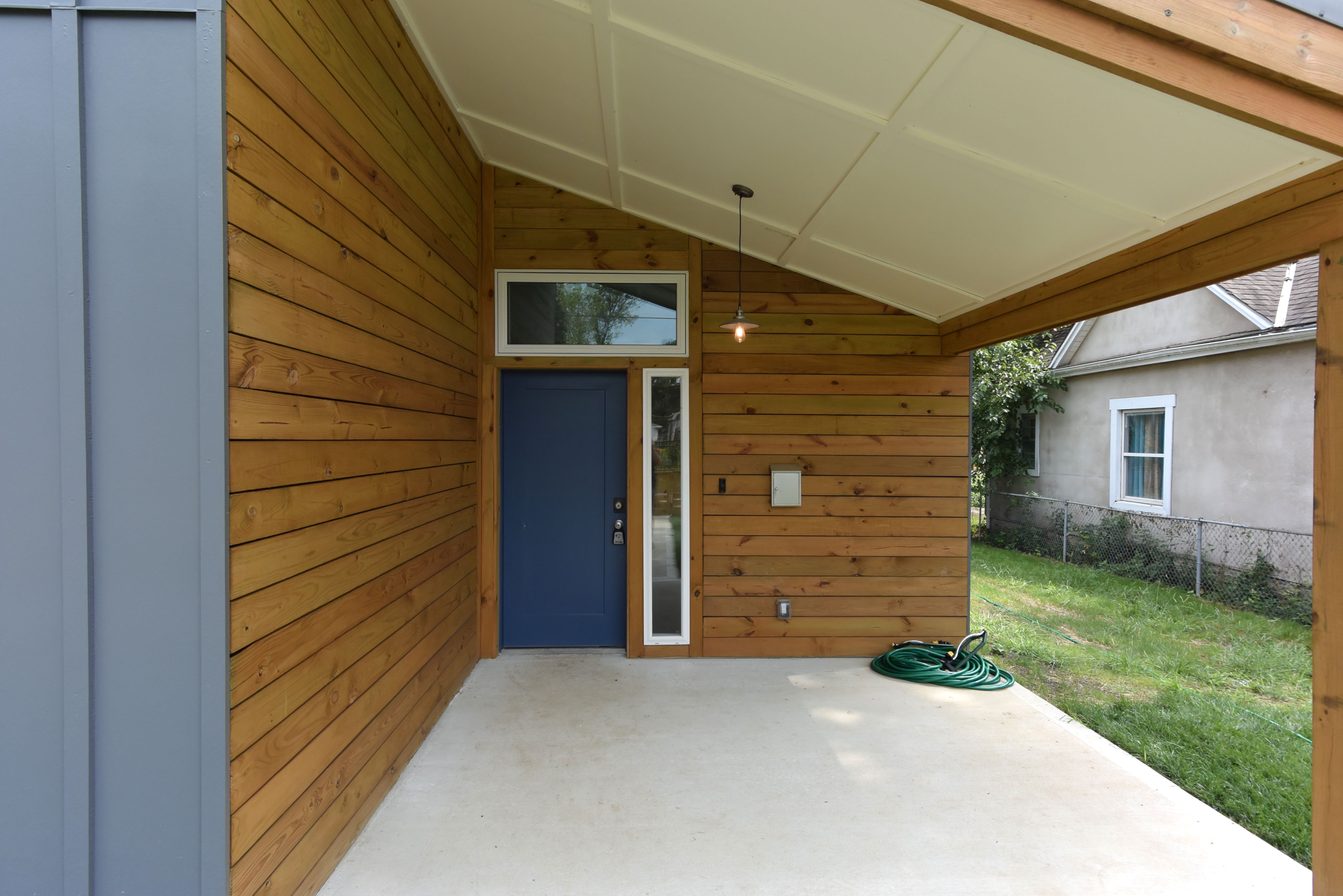
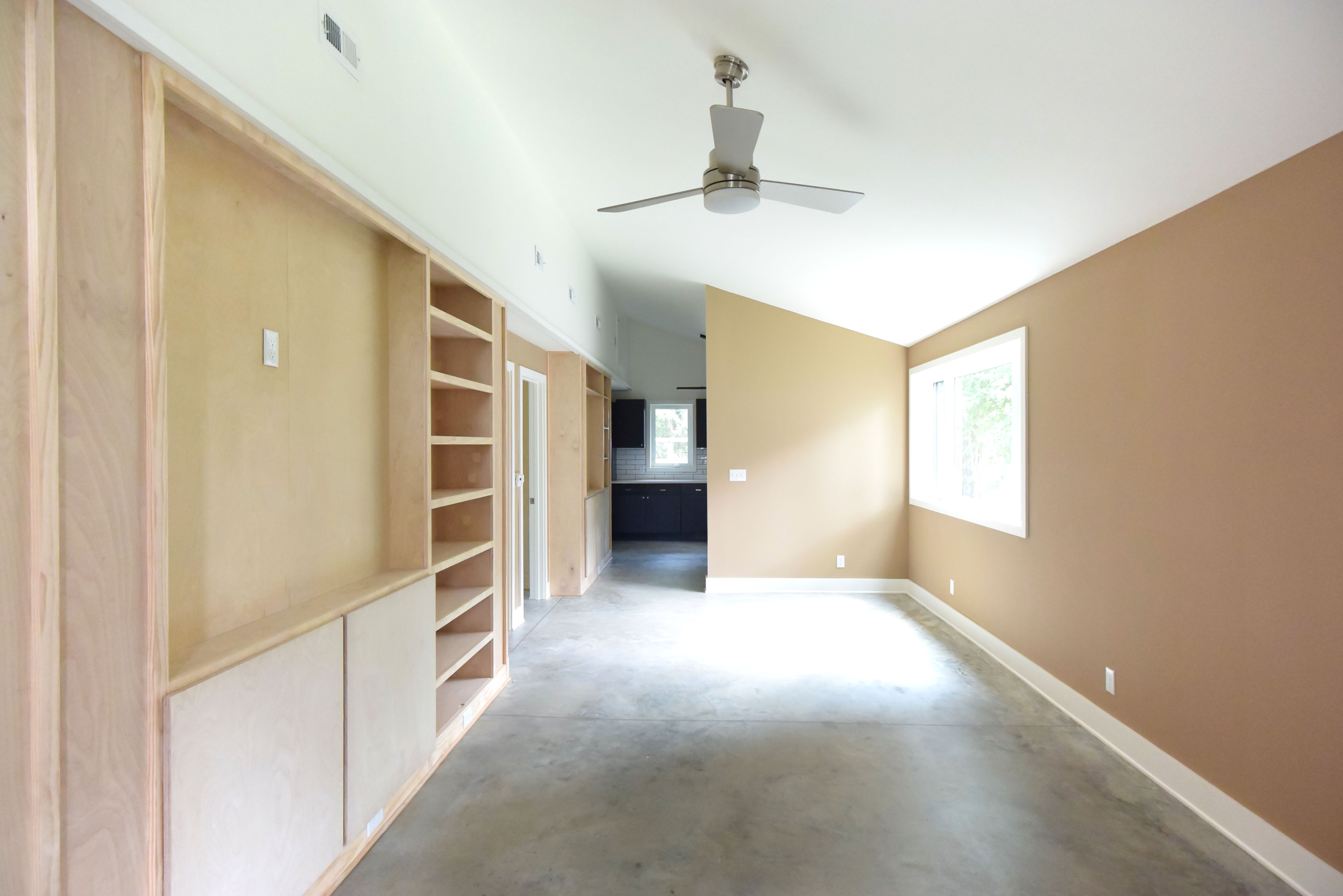
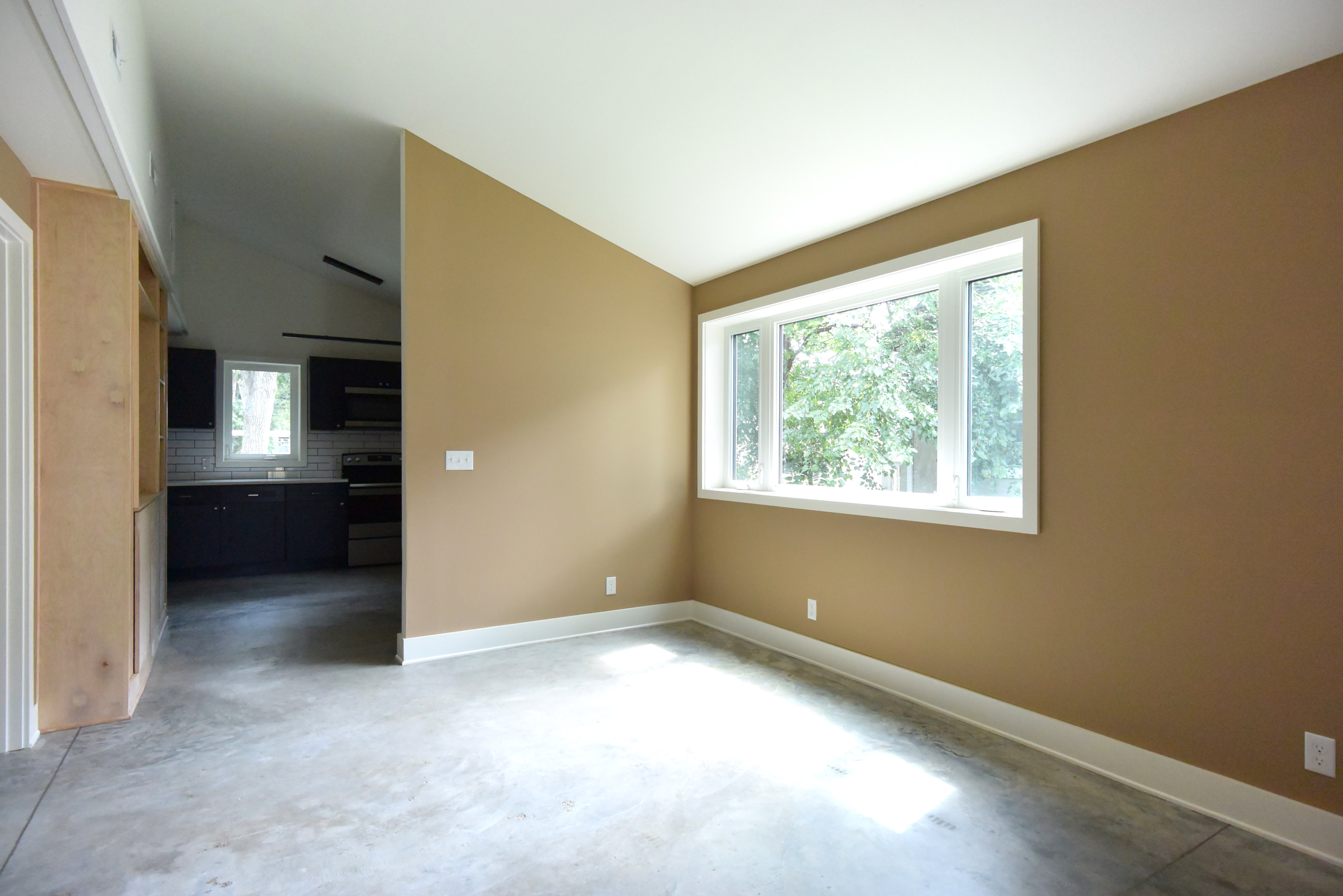


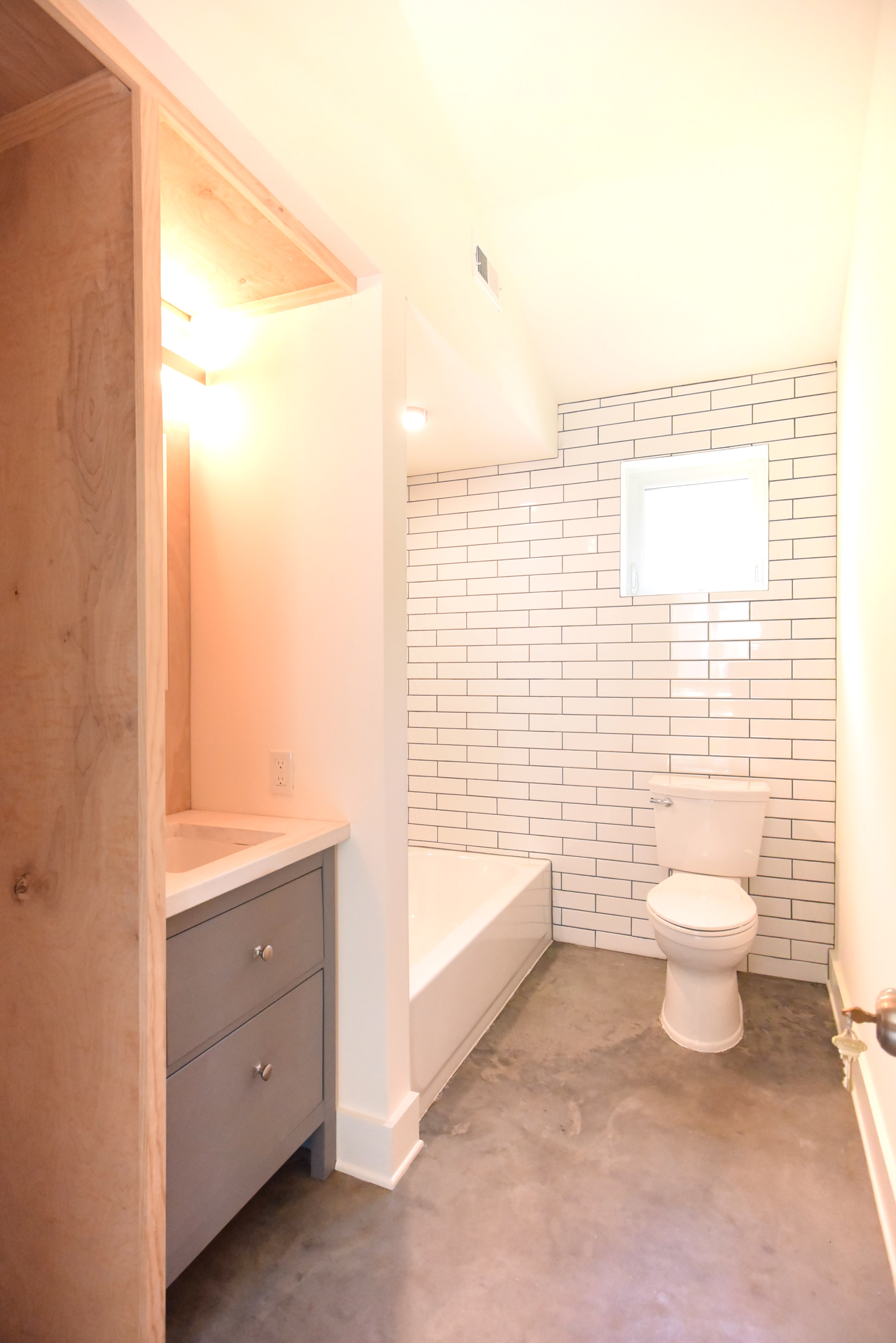

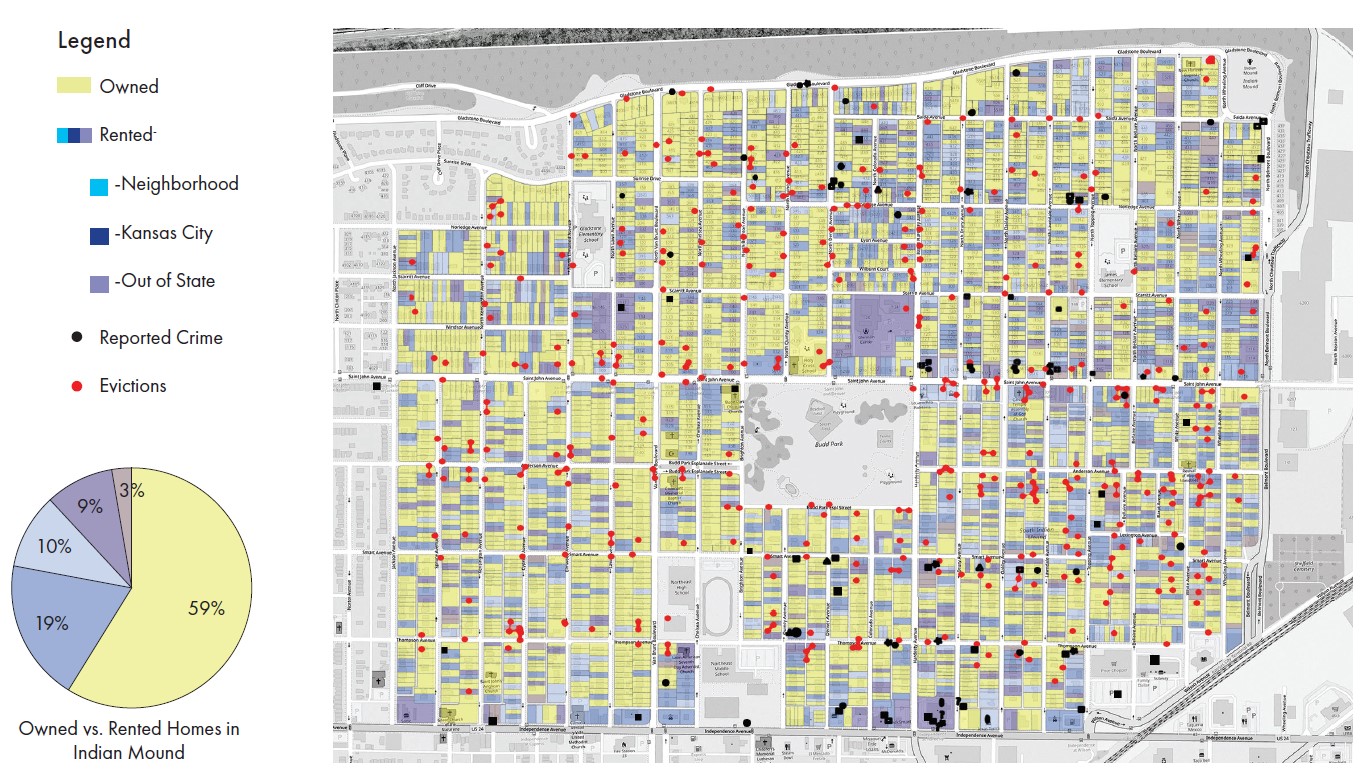
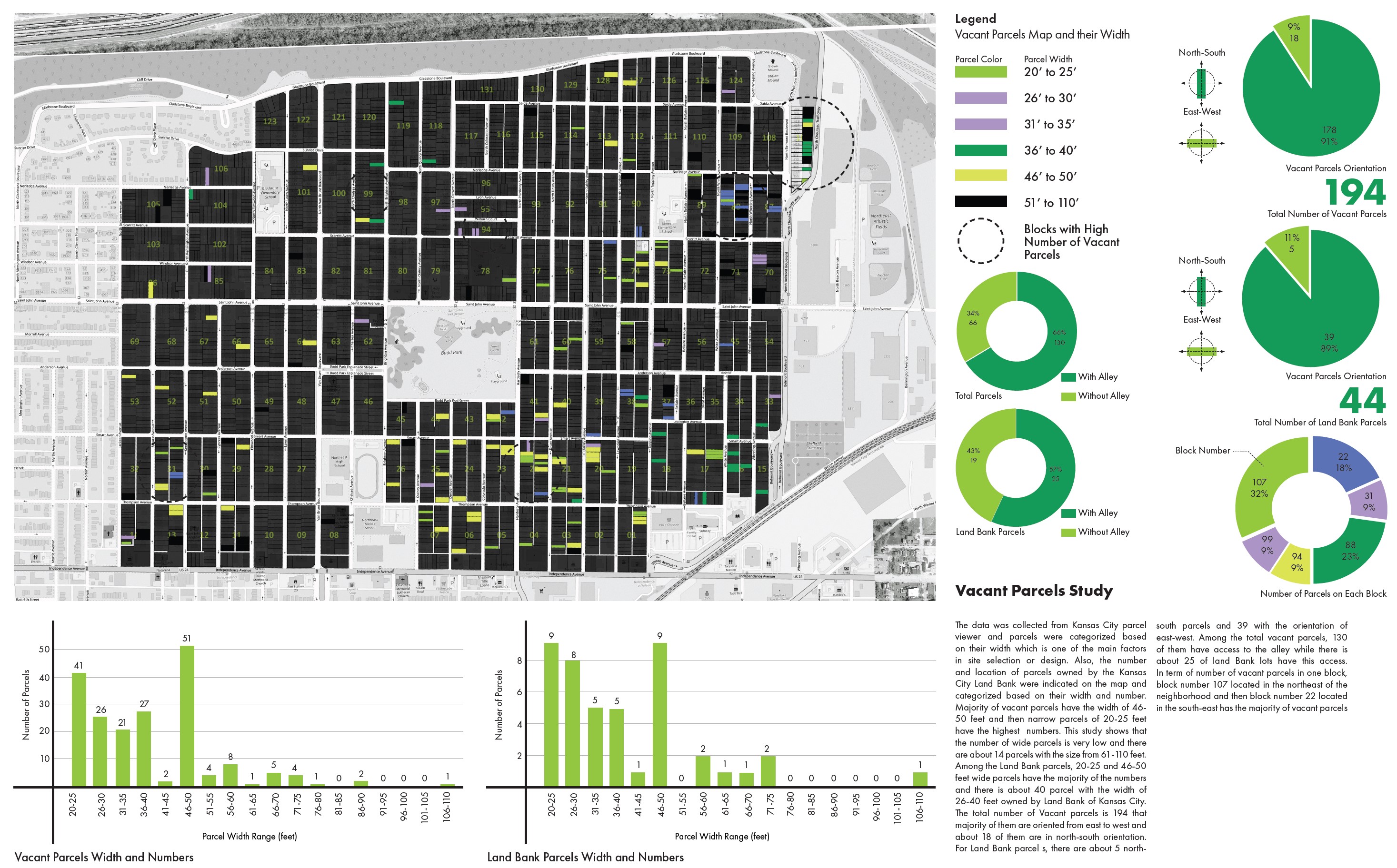
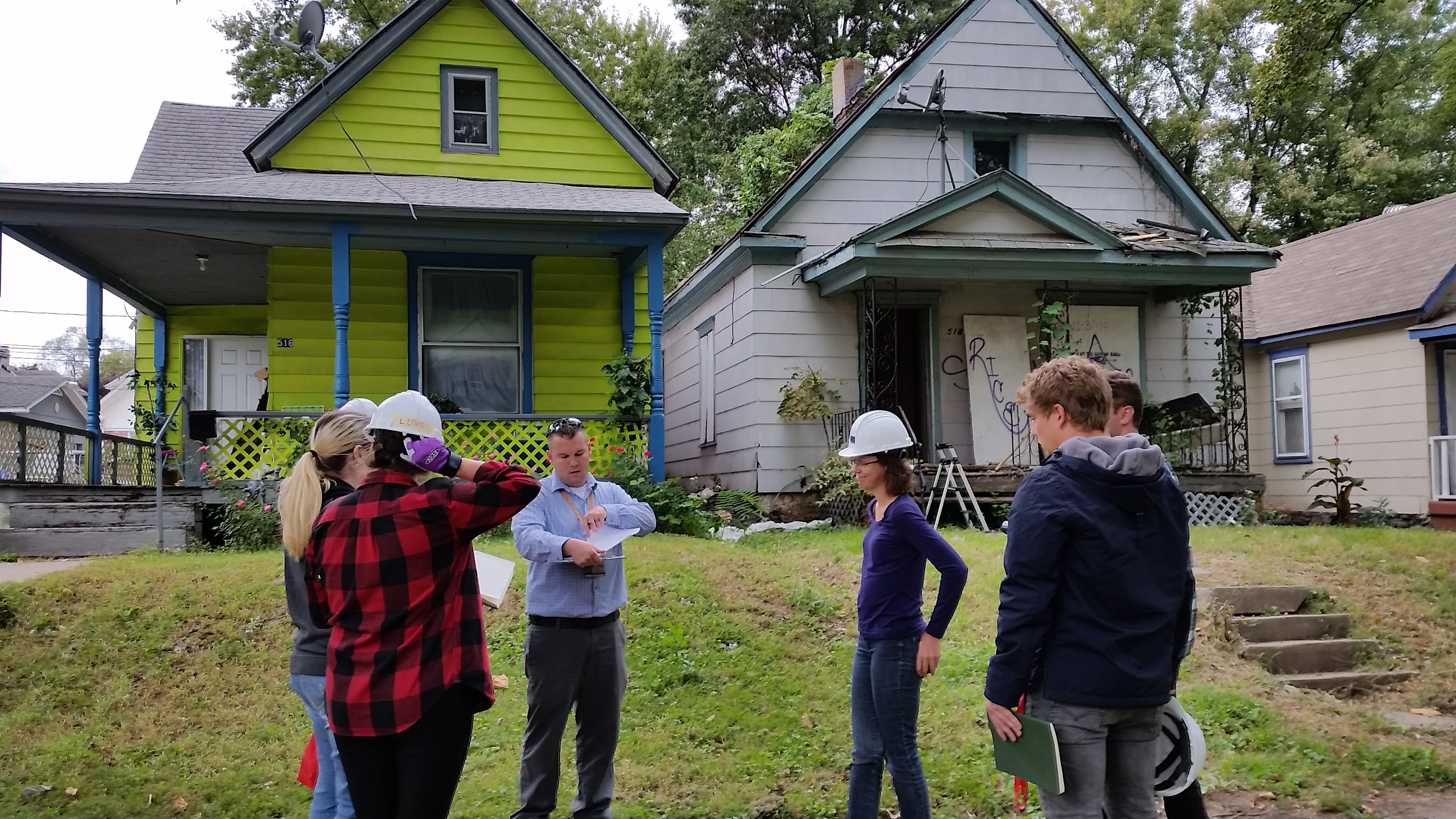
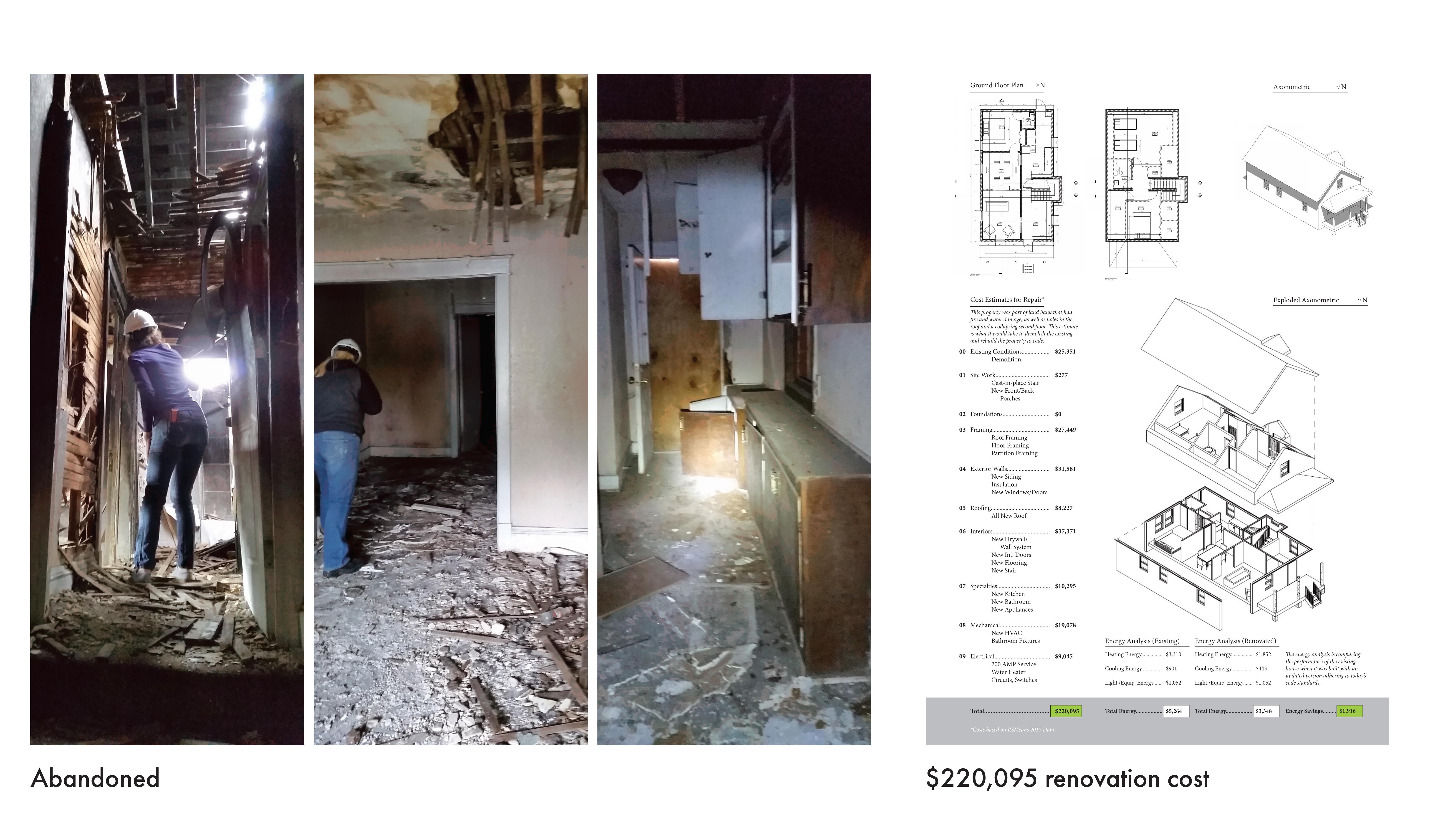
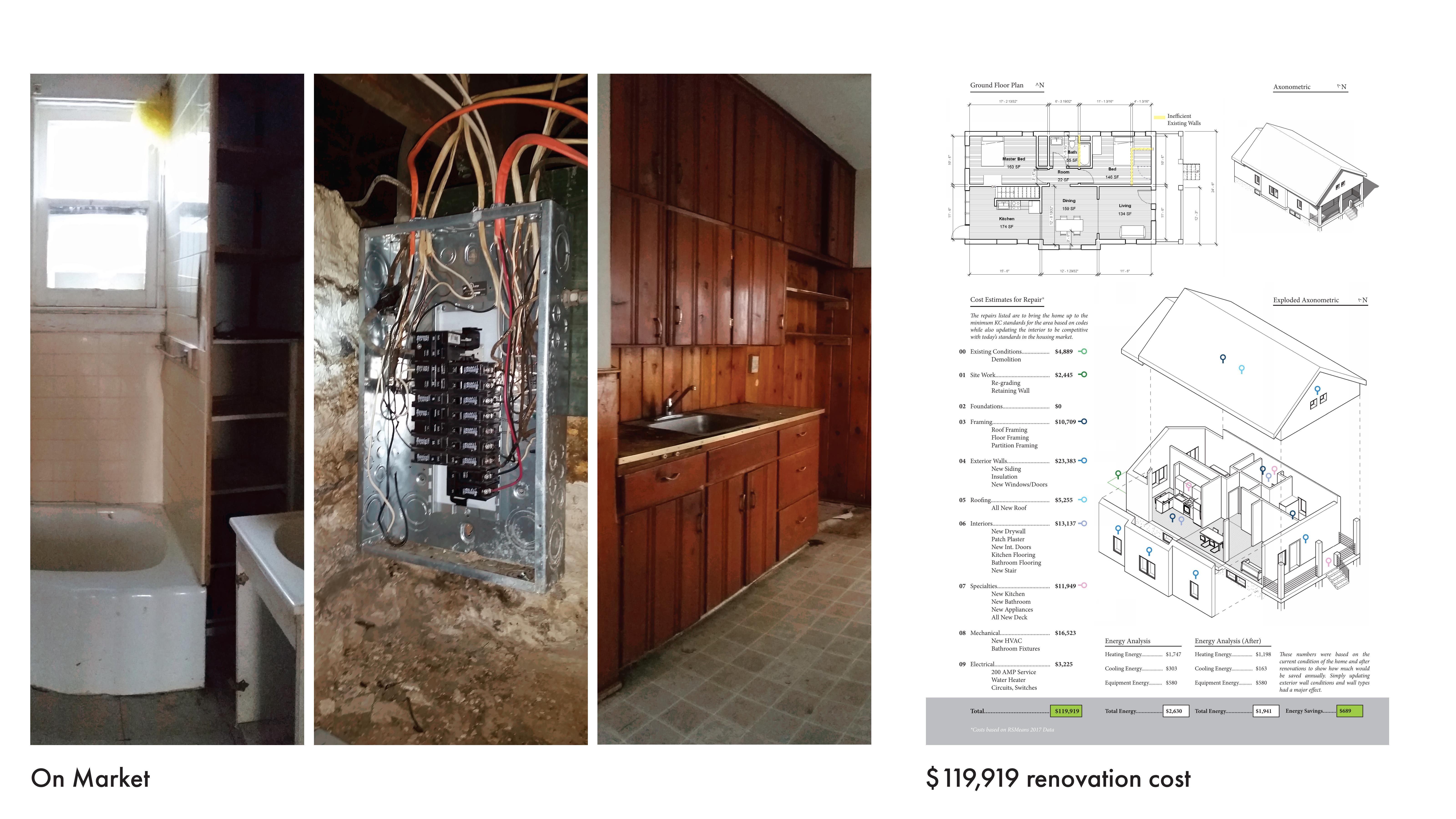
Process. Located in historic Northeast Kansas City, the Indian Mound neighborhood is diverse, tight-knit, and maintains its eclectic history — yet the neighborhood is threatened by a shortage of quality, safe, and affordable housing. The studio researched conditions in the neighborhood, observing the condition, ownership, and characteristics of housing in Indian Mound. Students also worked with the city’s land bank and a local realtor to tour distressed homes and estimate their repair costs versus new infill housing. Research was presented to city and community leaders as the studio moved into the design phase.

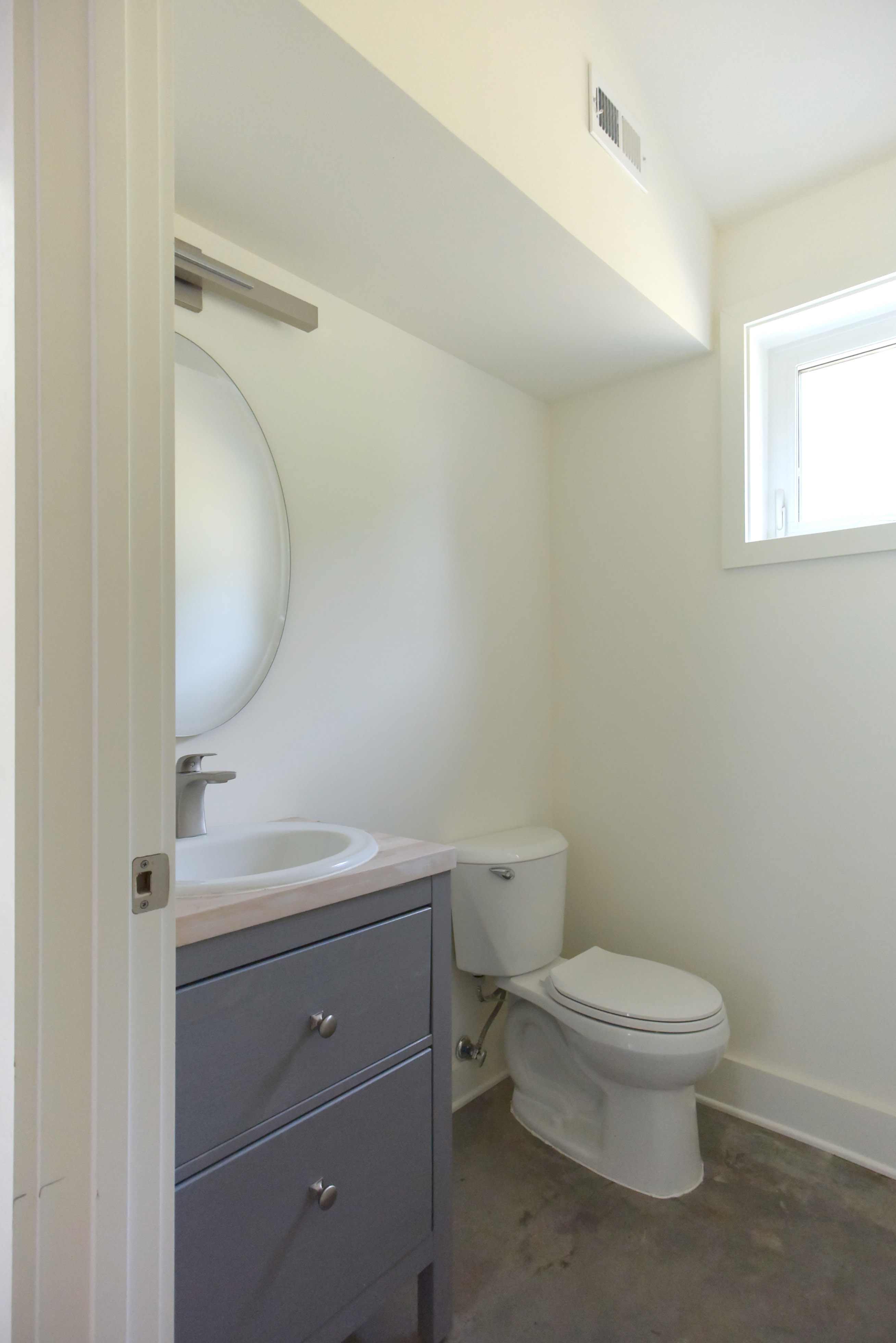
Design. The studio set out to develop a house design that was right-sized, durable, and functional, taking inspiration from the efficient but livable housing from the neighborhood’s past. After presenting several schemes to Mattie Rhodes and community stakeholders, the group selected a final design. The 1033 sq. ft. home intended to demonstrate a thoughtfully-designed, healthy, energy efficient, and affordable home that can help a household to thrive — while investing in their neighborhood and strengthening their community in the long term. The design originated from simple residential forms already abundant in the neighborhood. The house is split between private and public areas, which are shifted to optimize circulation alignment and reduce unnecessary floor area. The home’s roof can be used for electricity-generating PVs in the future, while extra space on the parcel will be available for gardening, gathering, and recreation.
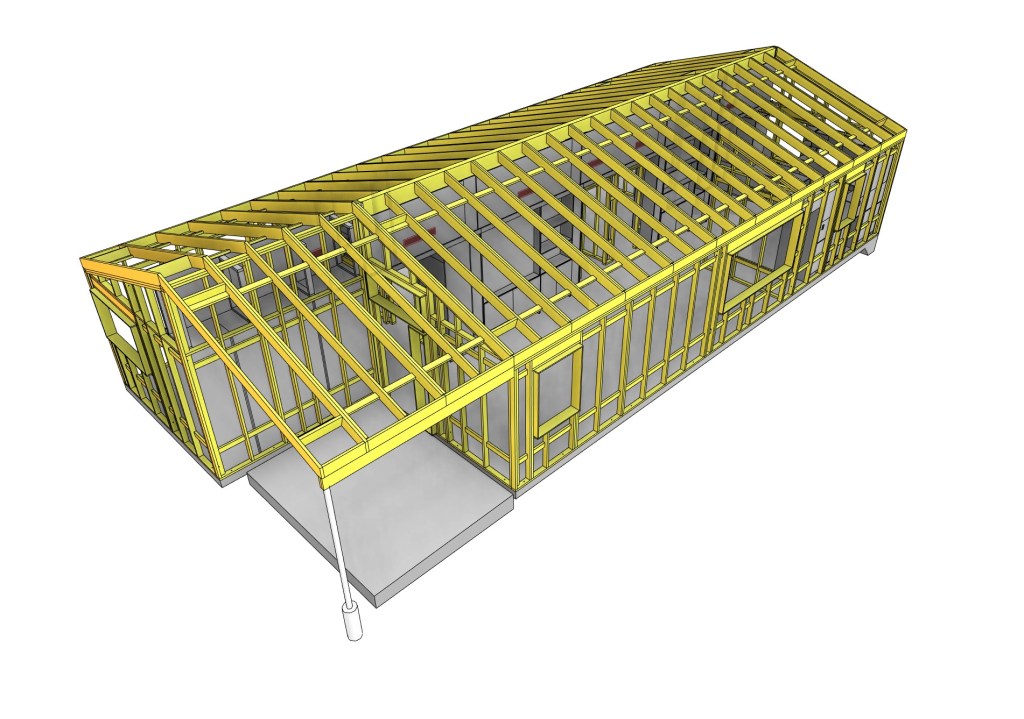
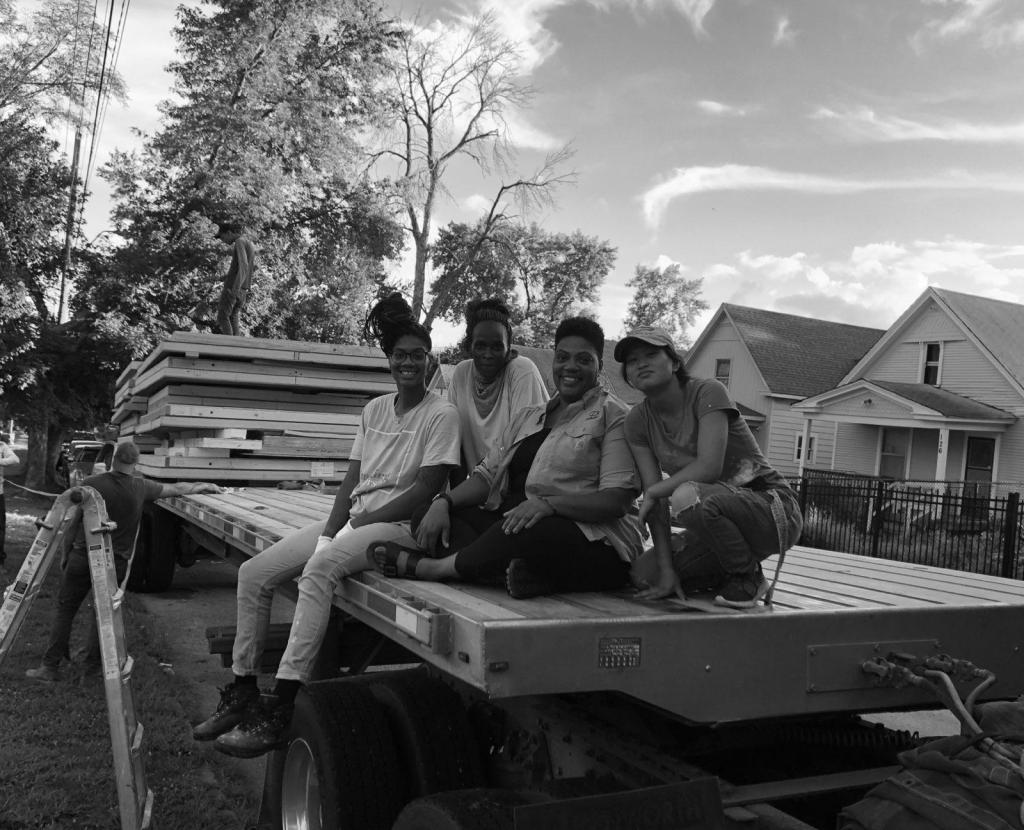
Prefab. During the spring of 2019, the studio completed construction drawings for the project and developed an overall strategy to prefabricate the house in panels, designing its many connections and ensuring compatibility with building code. Panelized construction allowed the home to be built off-site, minimizing waste, allowing insulation to be installed in the shop, and speeding up construction time.



Students: Mi Chele Lee, Jessica Wyatt, Safa Salih, Will Olds, Kazem Namazi, Amber Morris, Cathy Matthews, Joe Kutter, Kody Gabel, Johnathan Disberger, Matthew Dickman, Christian Carter, Yueming Cao, Stephen Bregande, Professor Michael Gibson
The project was funded in part by the Department of Energy’s Solar Decathlon Program and the Kansas City Design Center. Windows were donated by Interstate Glass Co. of Junction City, KS.
 The Net Positive Studio