

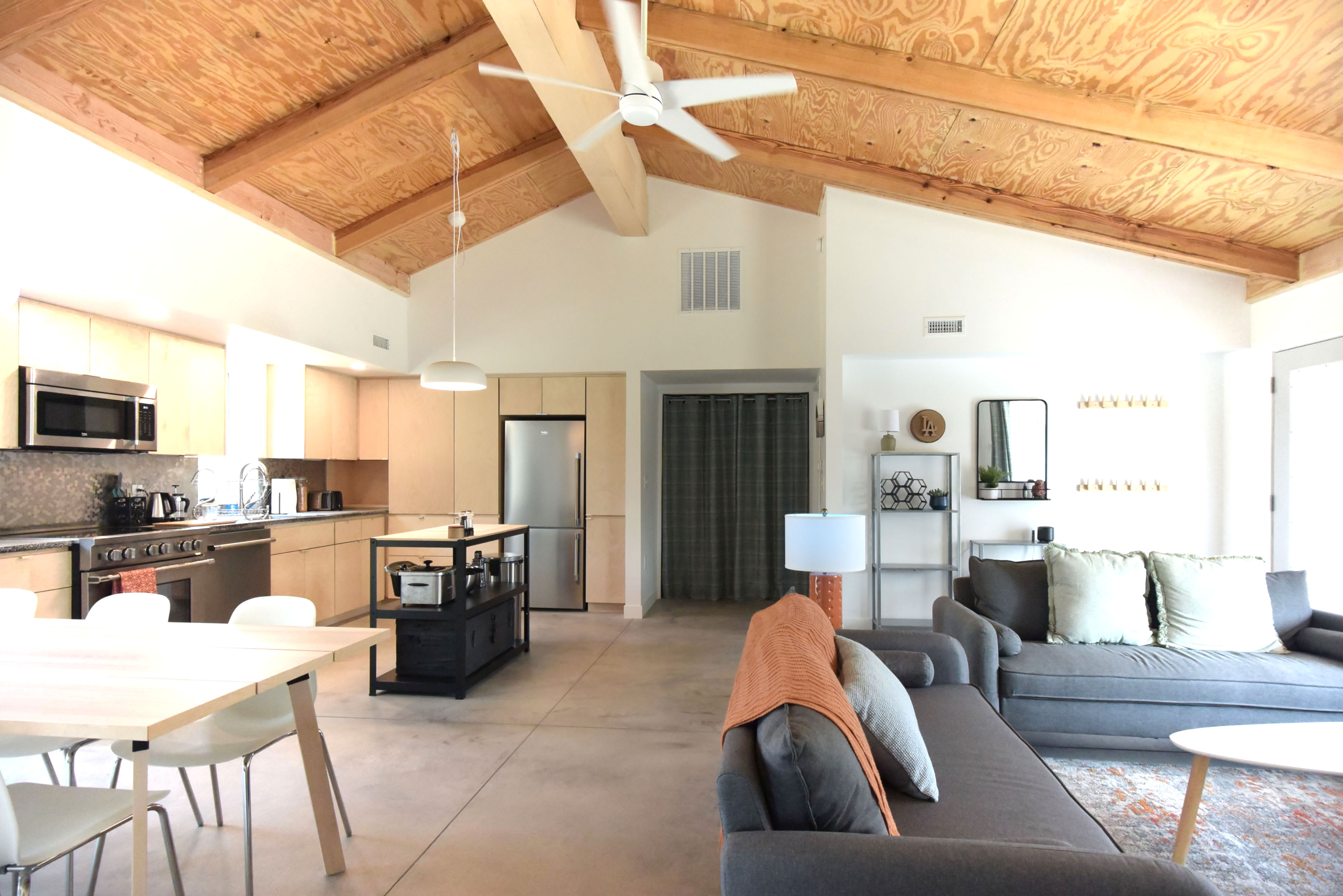
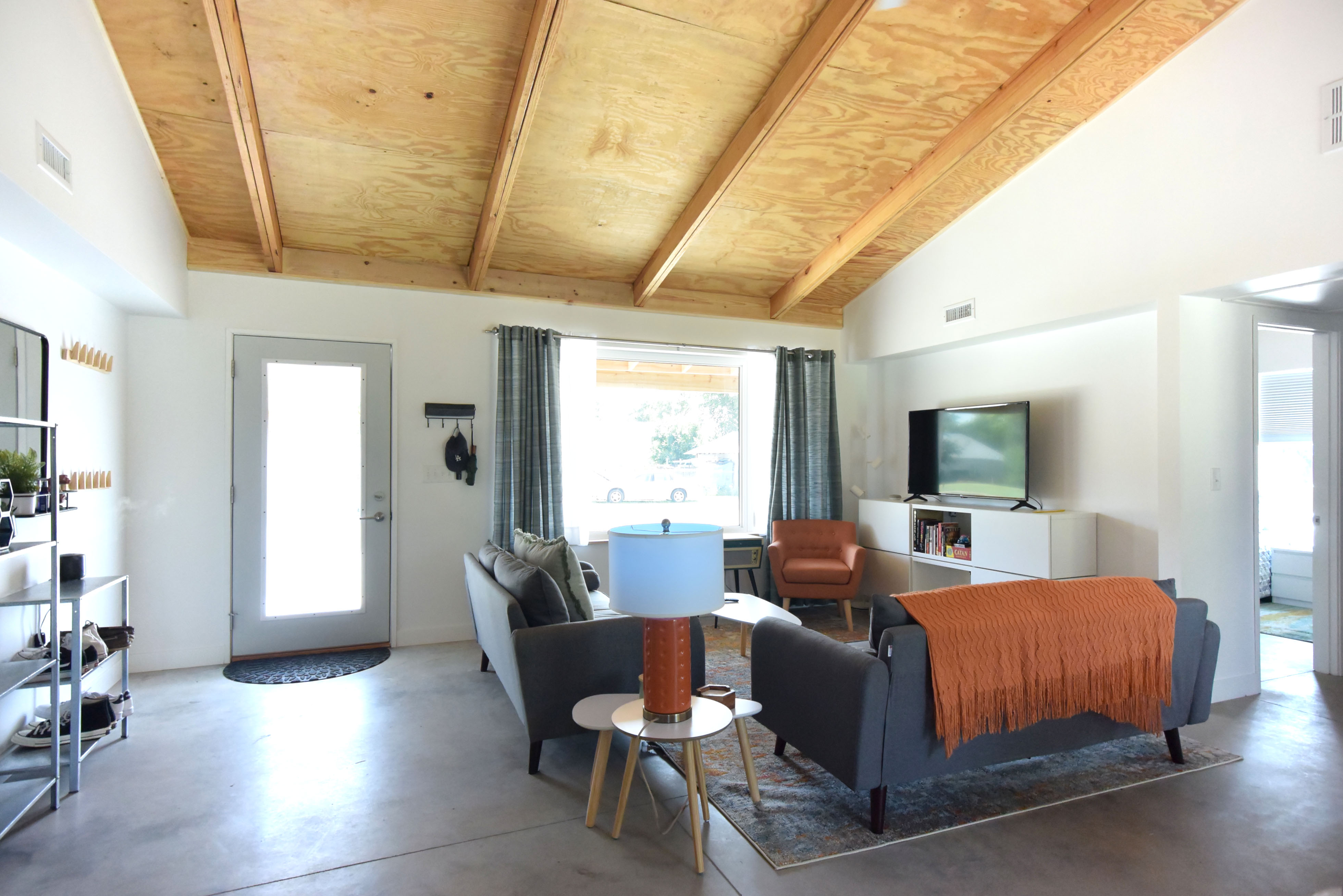
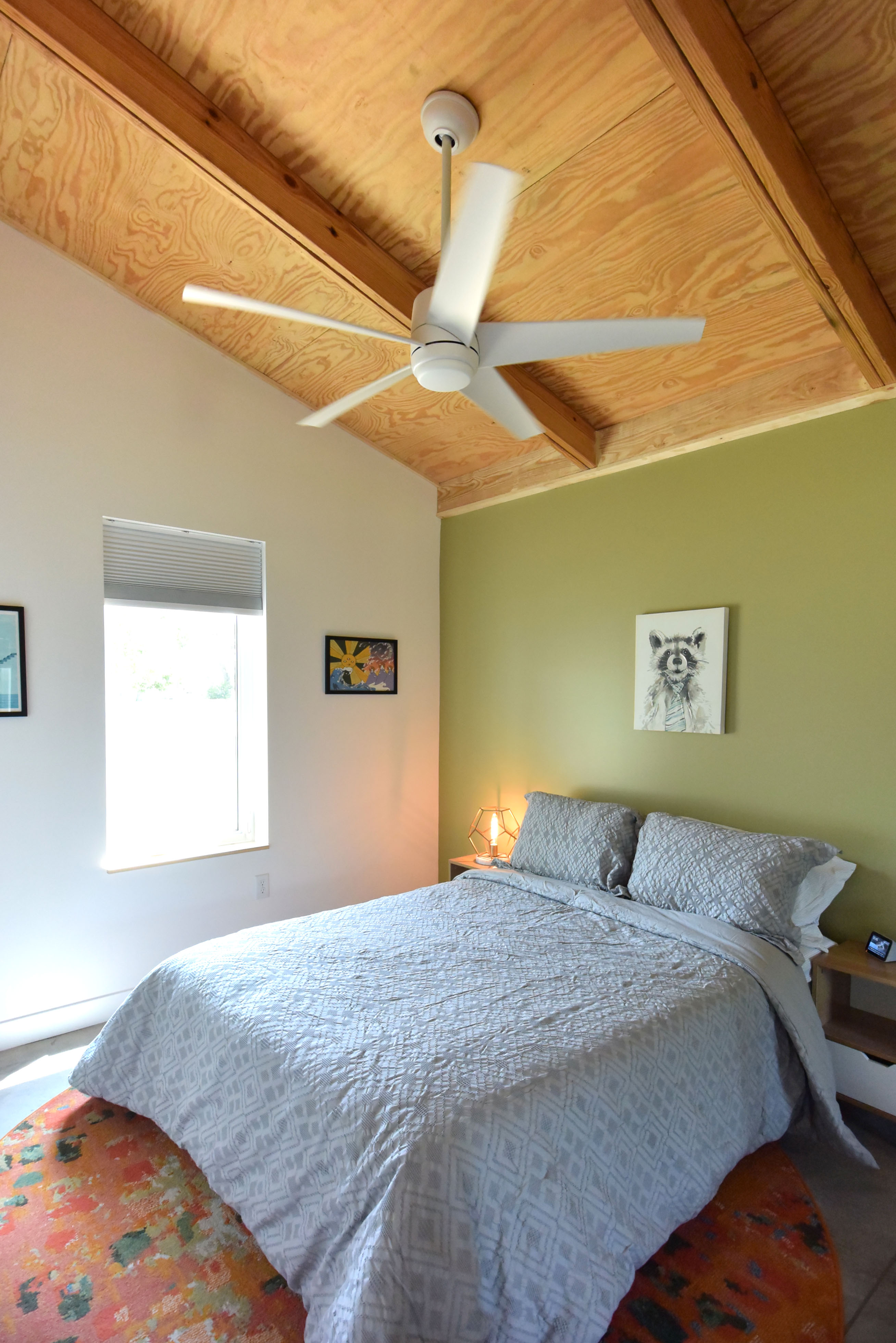
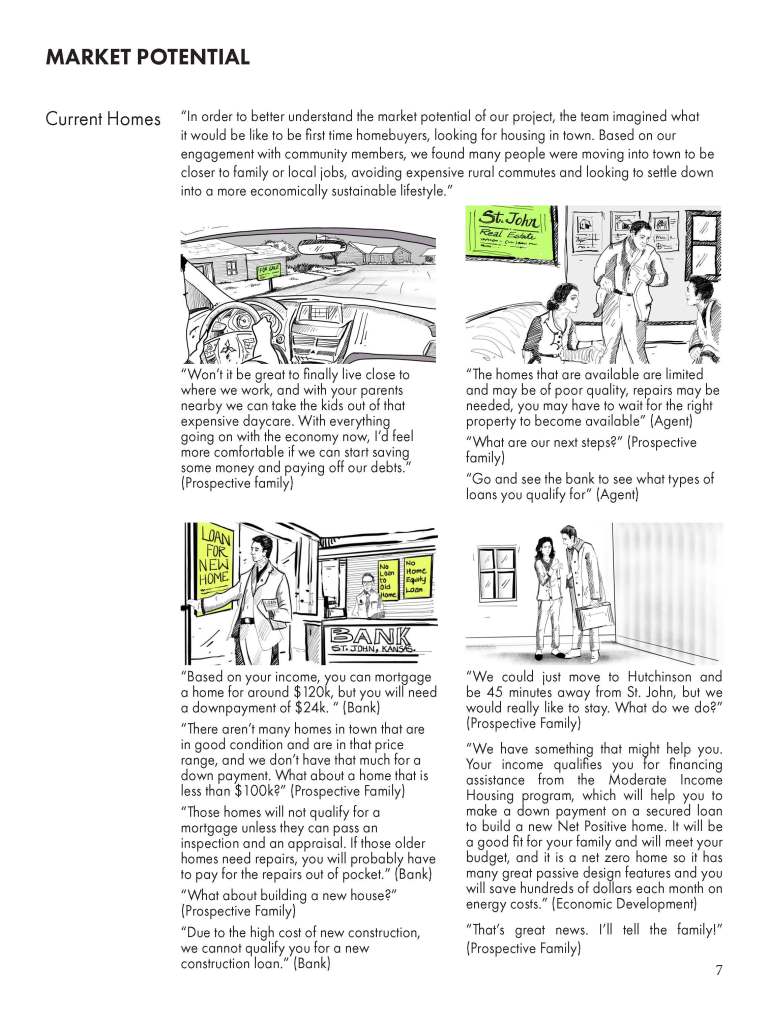
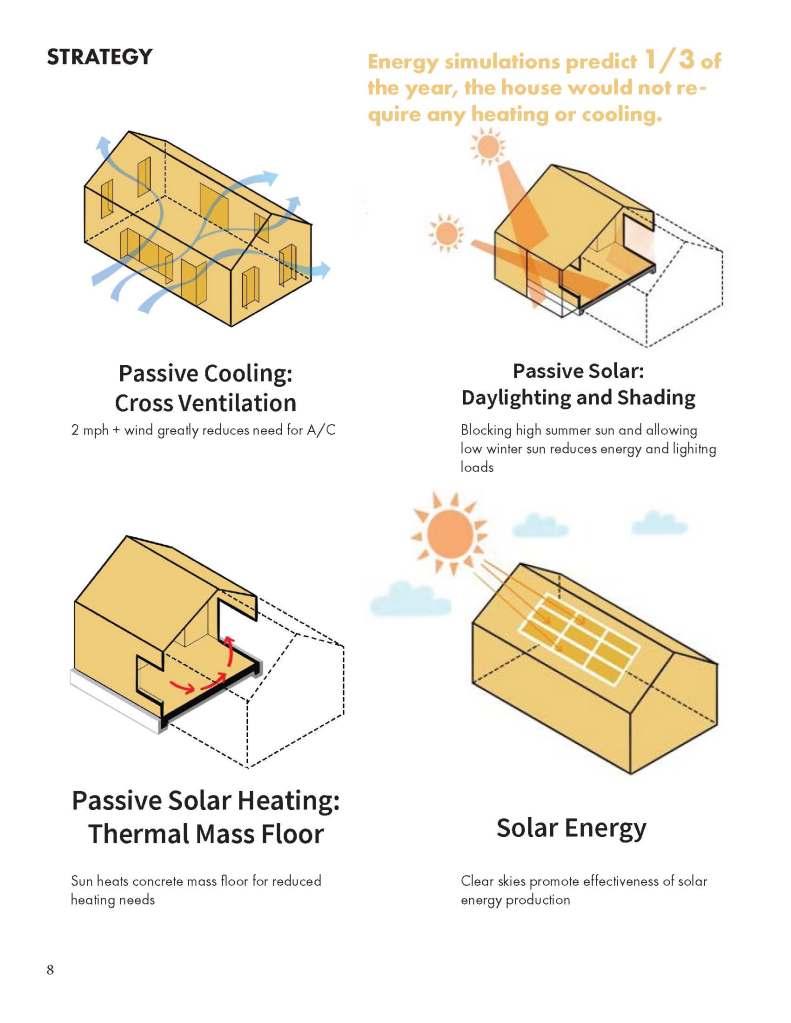
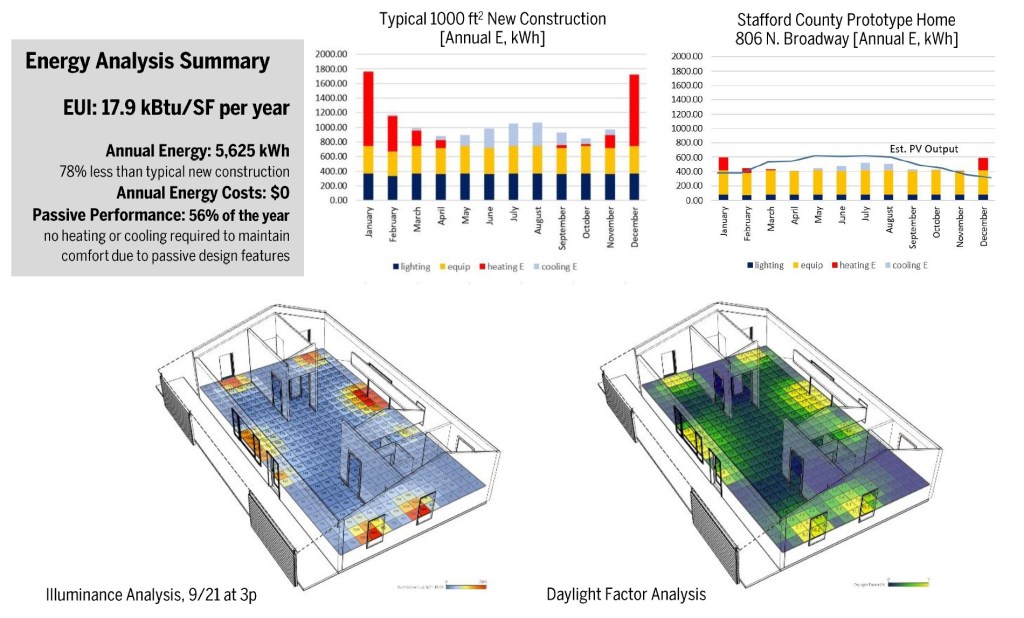
Stafford Eco Devo engaged the studio to study the county’s housing struggles and develop a prototype home that could be built throughout the rural county, offering a quality home in affordable rental or purchase price ranges that could attract and sustain an essential workforce. The project would served as the studio’s entry into the Department of Energy’s Solar Decathlon Local Build. The project construction budget was set at $125,000 and would use a vacant lot in the town of St. John. The house would have 3 bedrooms and 2 baths and be attractive to families, who would want space for a 6-person dining area, a generous living room, and a functional kitchen. The project would also demonstrate that affordability and net zero could be achieved at the same time, and a PV array would be integrated into the house. After finishing the prototype in 2021, the home has been duplicated across Stafford County through 9 additional builds completed by local contractors as of 2023, with more builds planned for the future.



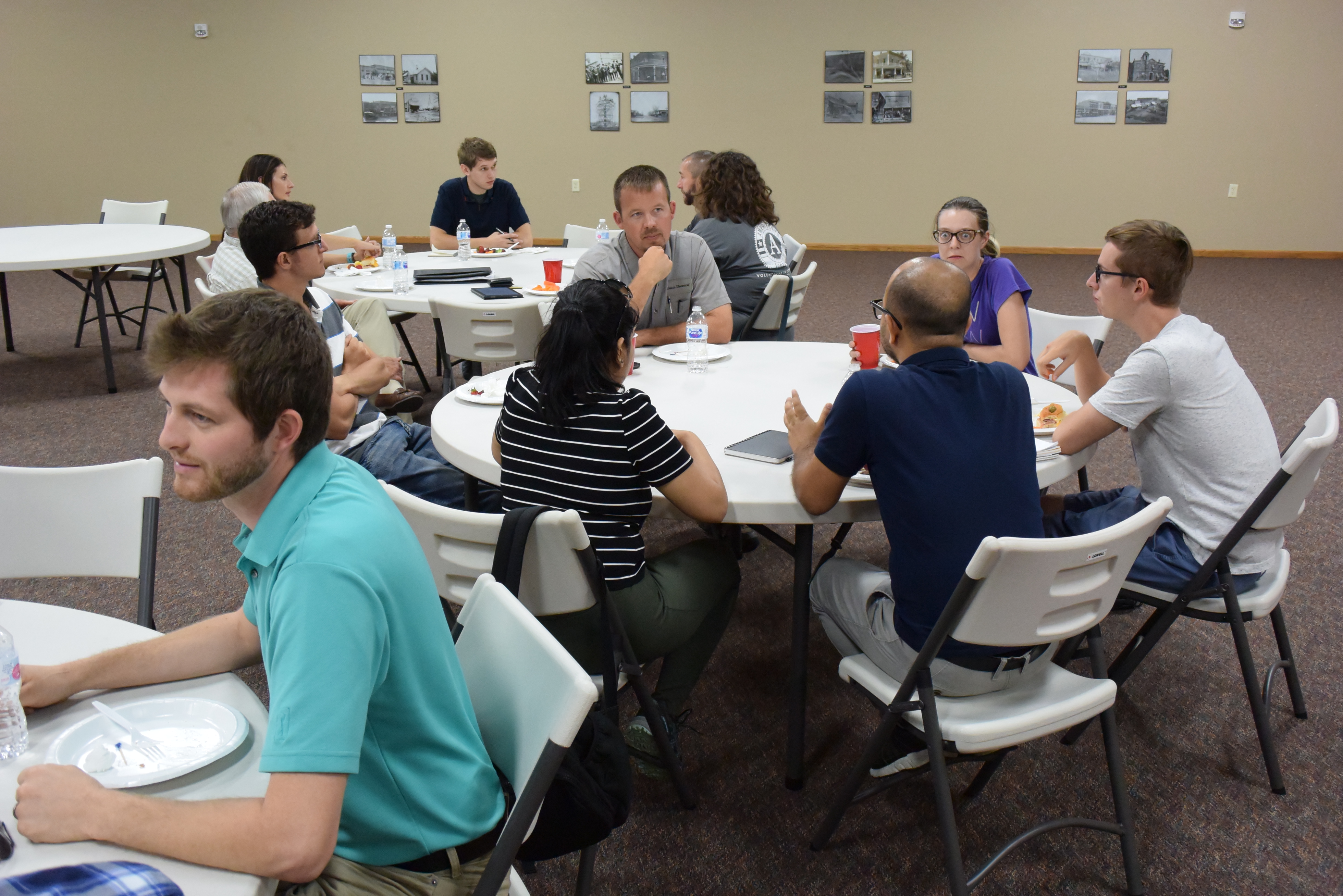
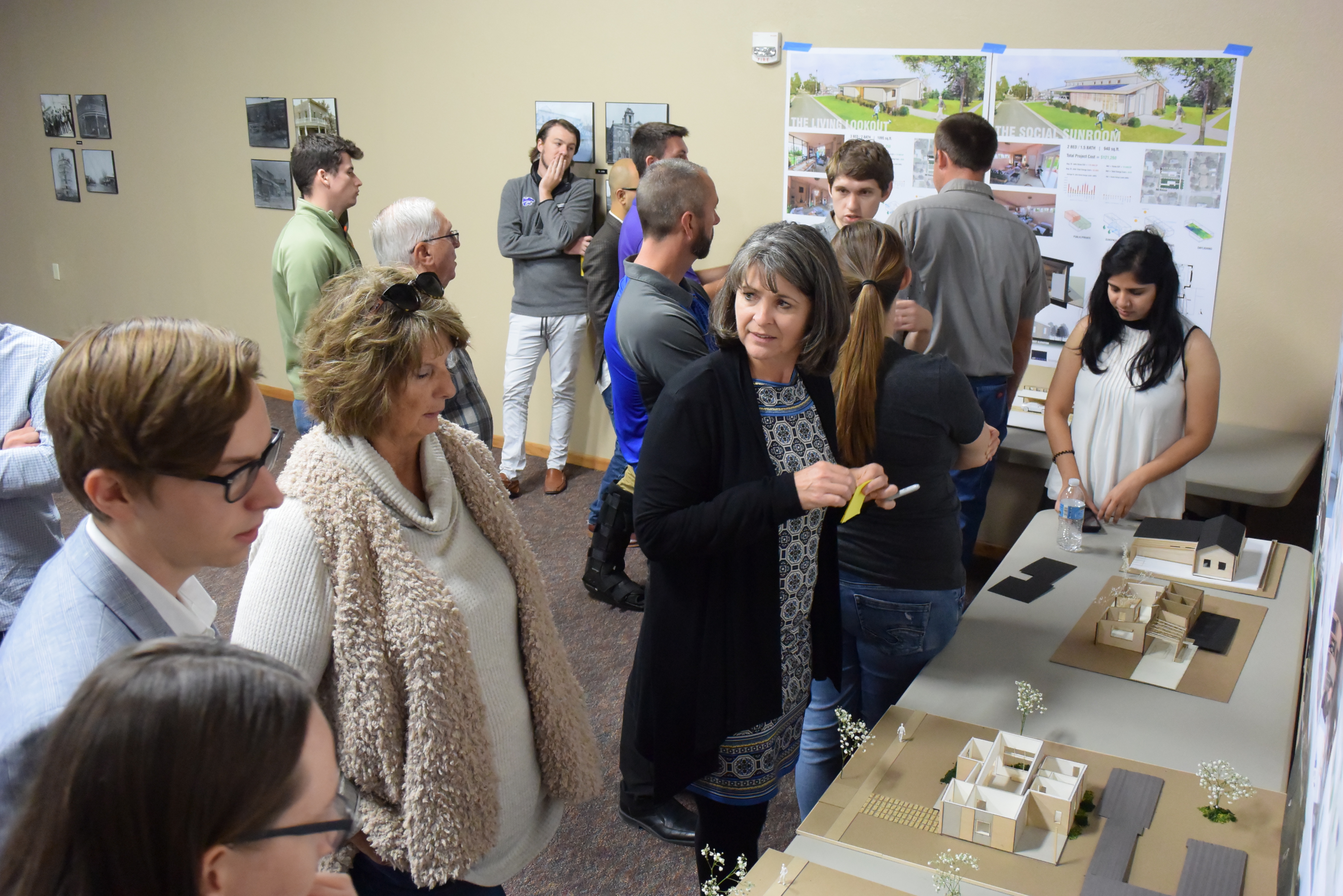
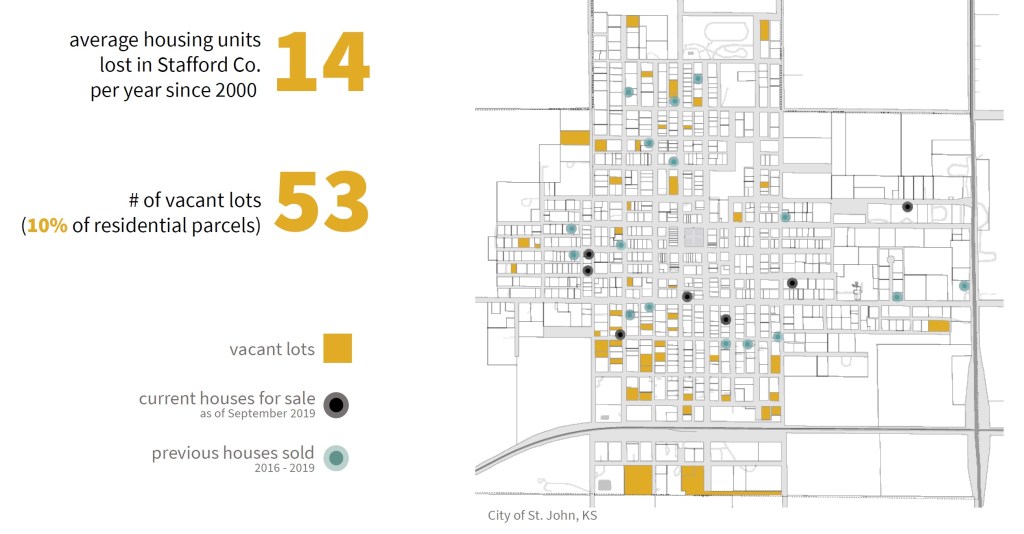
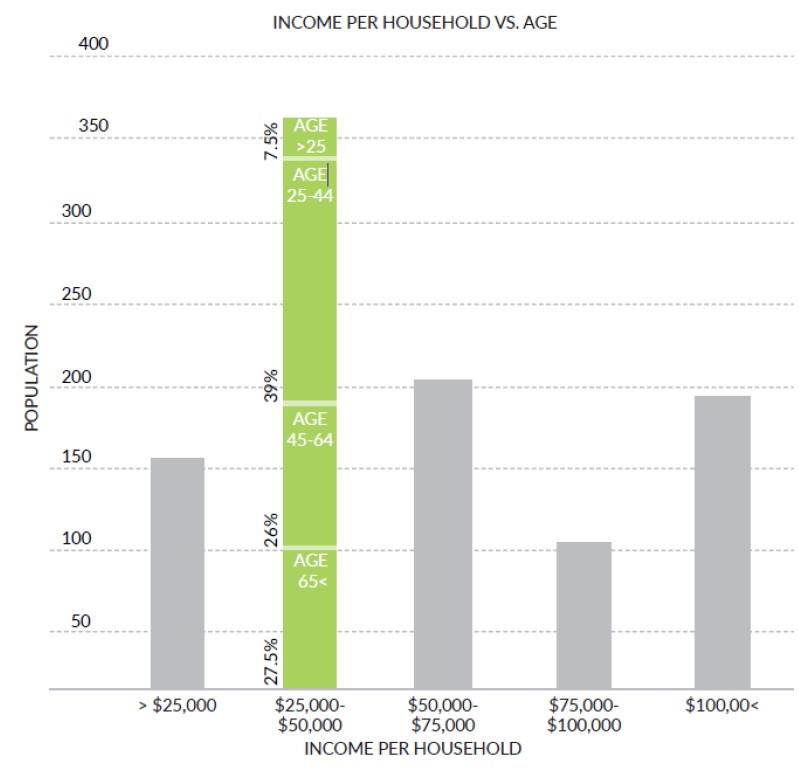
Process. Throughout the fall semester, the studio traveled to St. John to meet with community leaders, project stakeholders, and citizens. The process started with informal listening sessions and tours of community. Students returned to present research they did on the community’s demographics and housing characteristics. The studio used raw data from the County Treasurer to visualize some critical points about housing in the
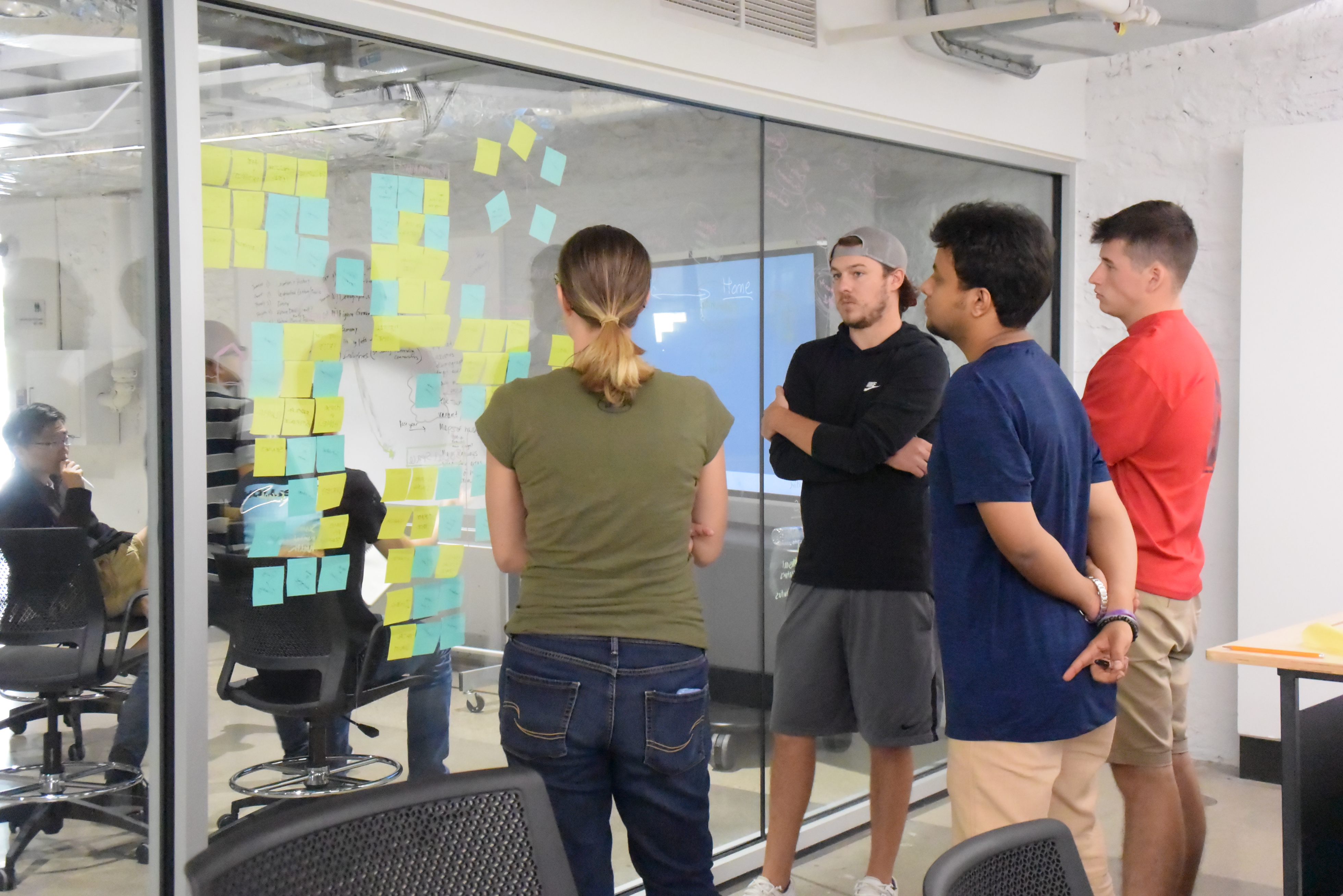
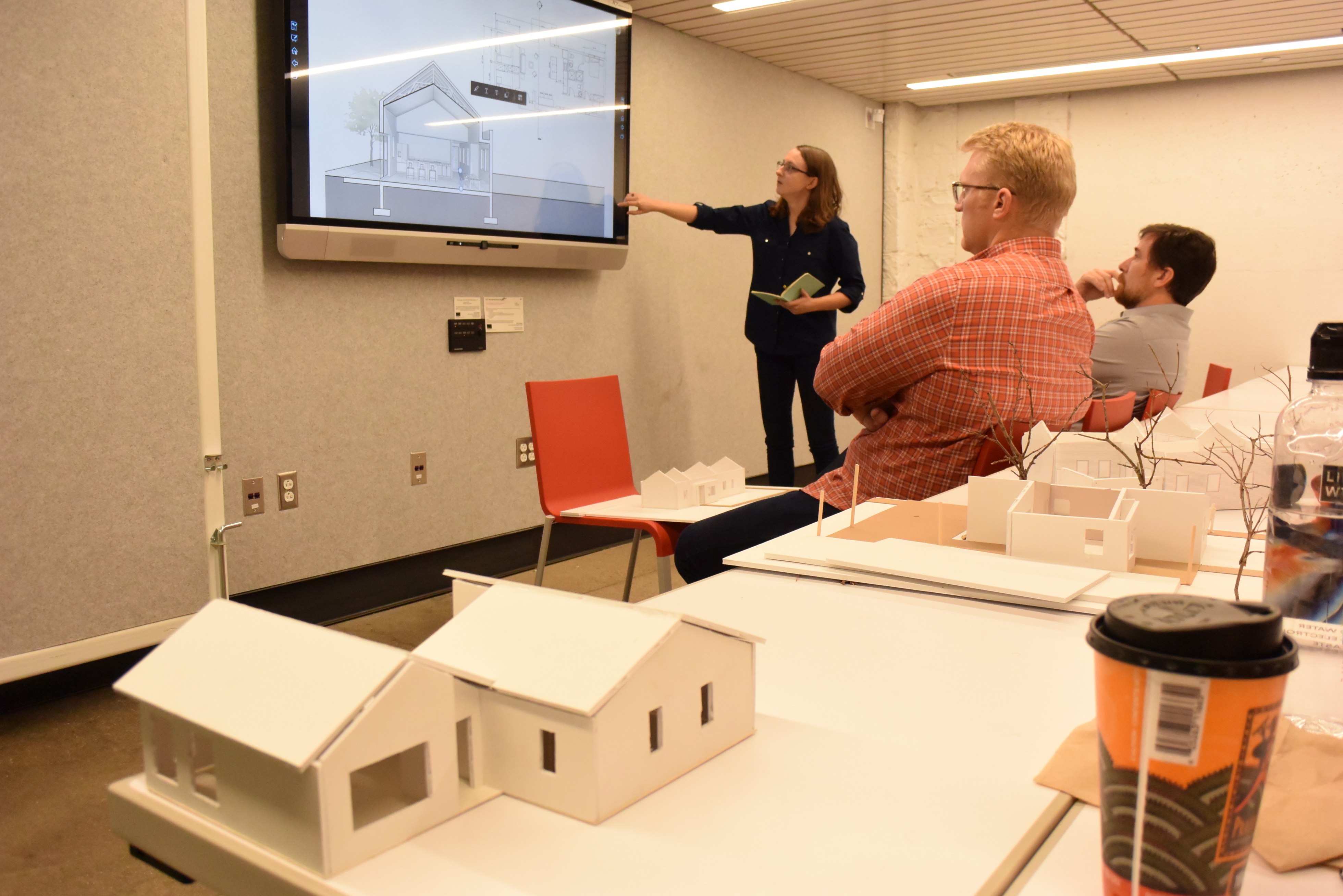
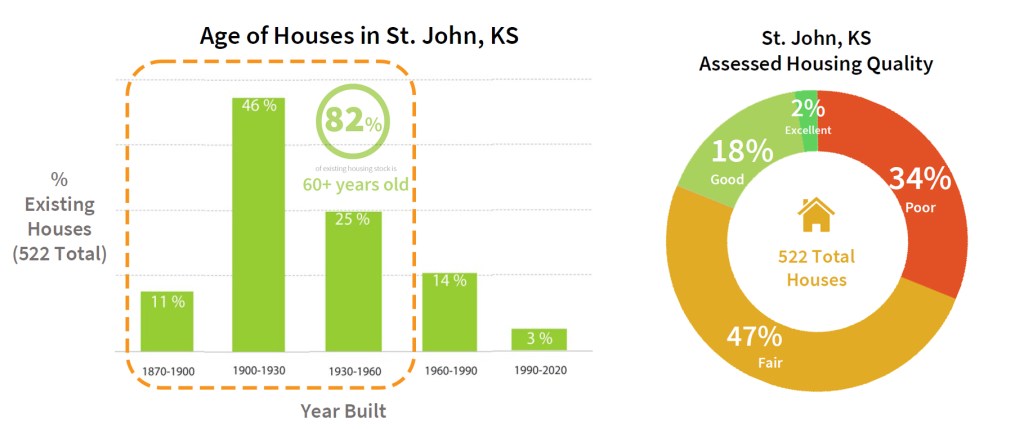
community, specifically the consistent loss of housing units due to poor condition and demolition, the lack of modern heating and cooling in many existing homes, and the viability of small home plans on infill lots throughout the county. Students worked in teams to develop six initial designs, through conceptual and schematic design phases, which they presented to community members for feedback. By the spring semester the studio had selected a final design and completed construction drawings, starting fabrication work in March.




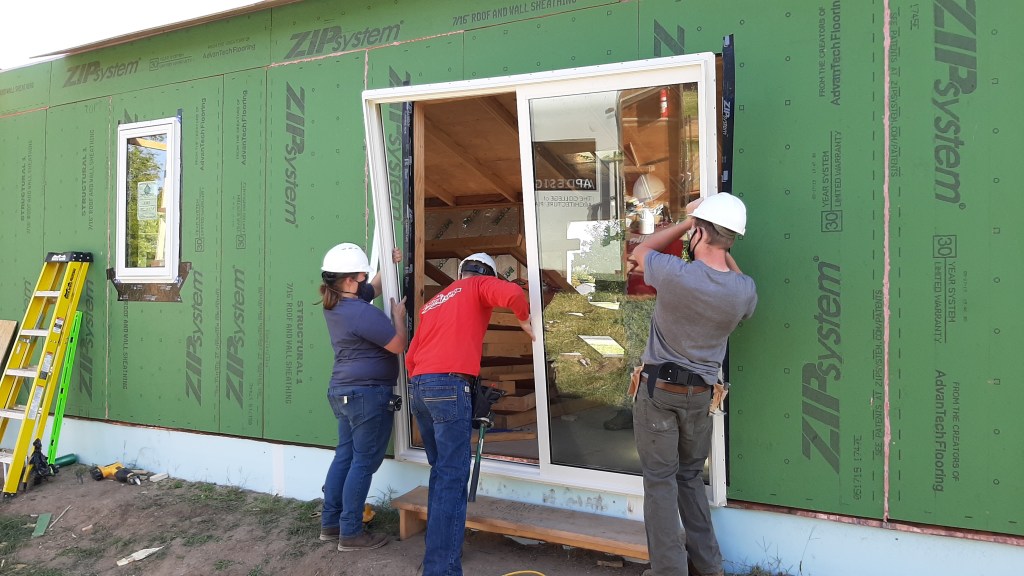
Prefab. To improve its prefab approach, the studio’s wall and roof panels incorporated Ray-Core SIPs, made with integrated 2x framing lumber and polyurethane foam in a radiant-barrier skin, into the wall and roof panels. The studio cut the SIP blanks and integrated them with additional framing, insulation, and sheathing materials. The studio designed and built all of the kitchen casework, building the carcasses and installing cabinet hardware off-site. The student team also installed and finished the kitchen.

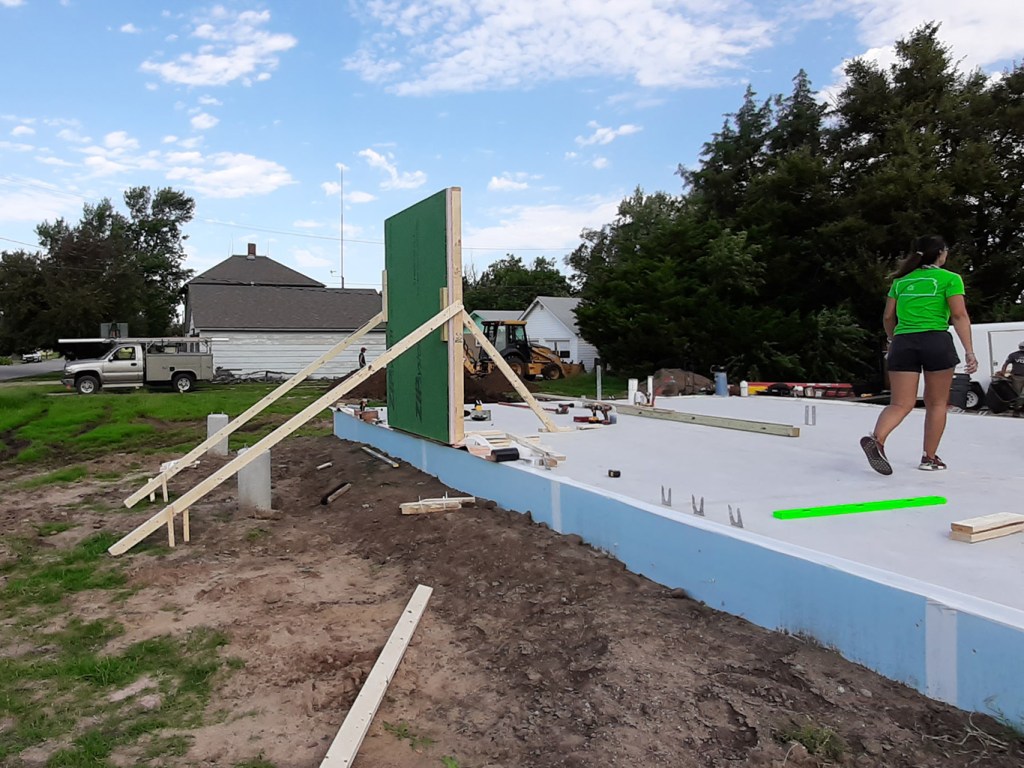
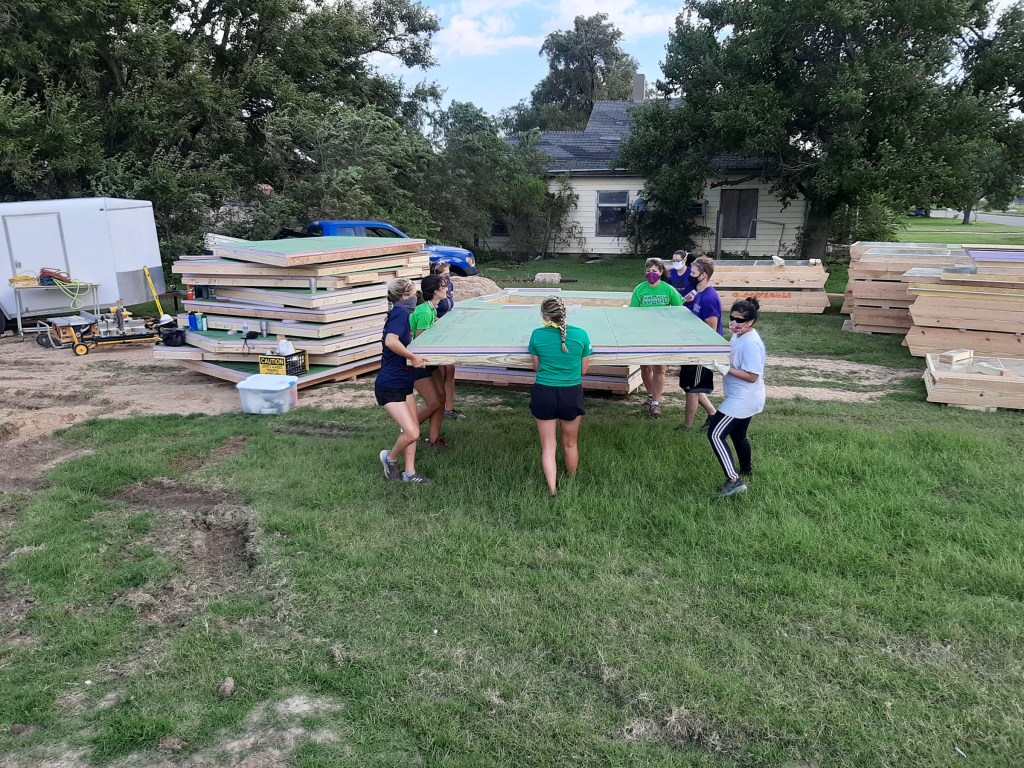


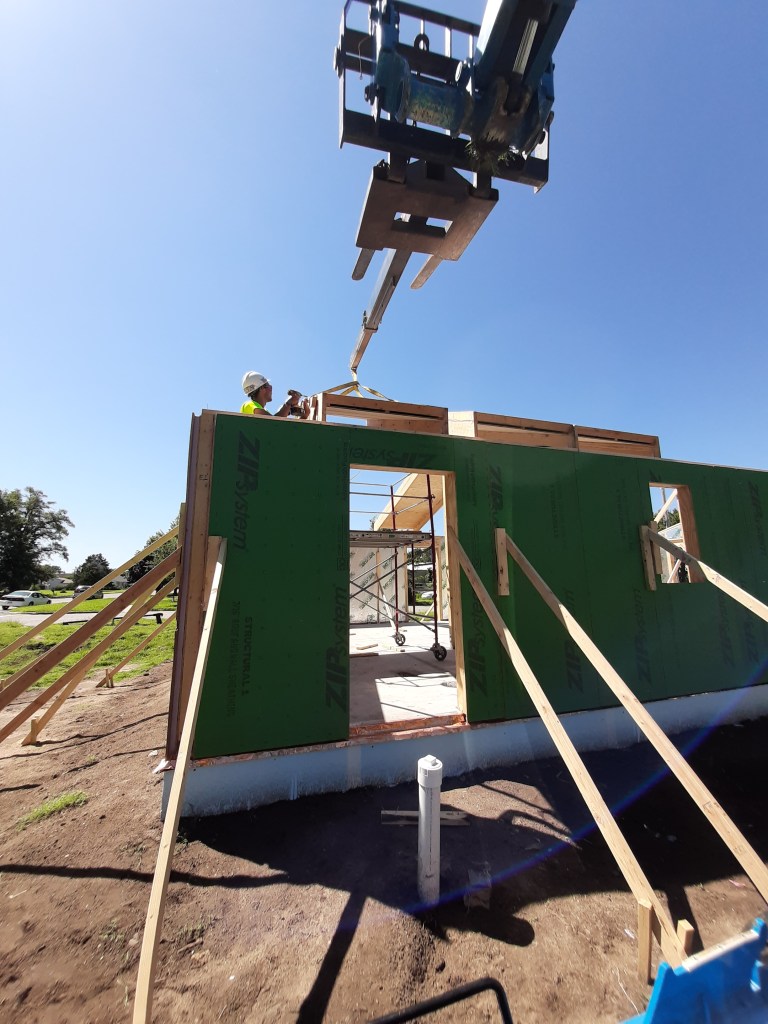
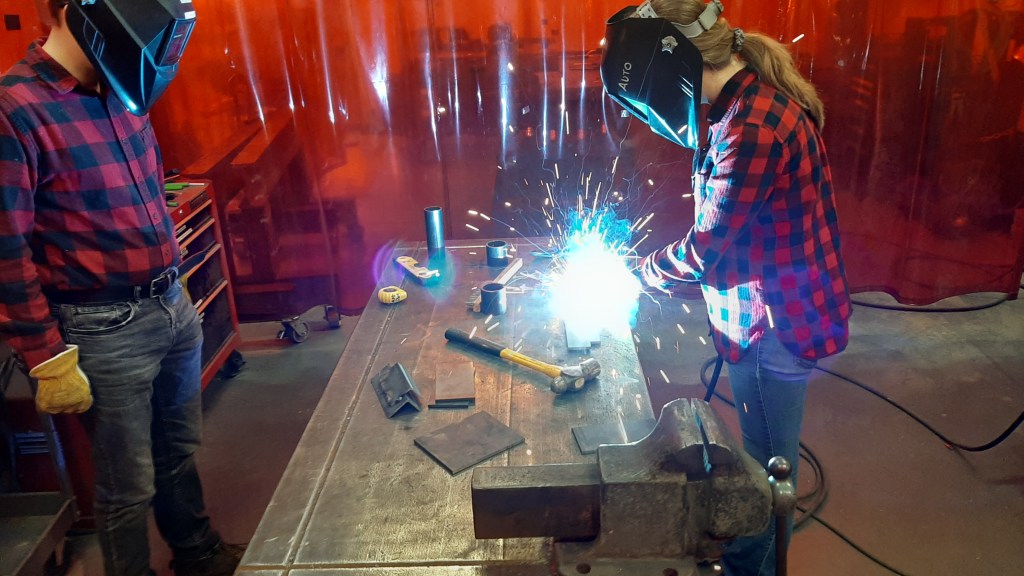
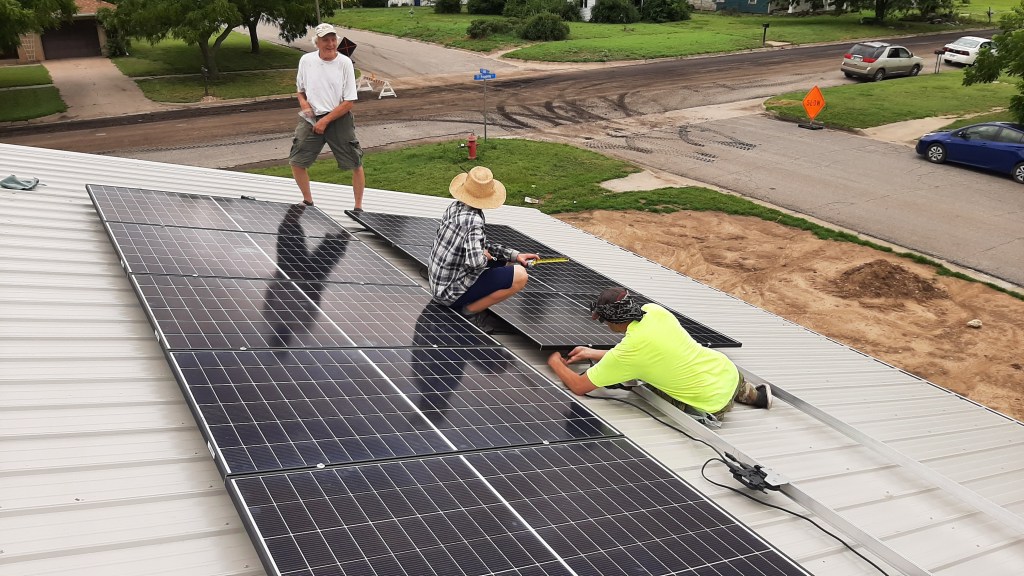
The studio remained involved in finishing the project right up to completion, completing interior framing to prepare for drywall, fabricating custom steel columns, and framing the porch. Students also installed and finished the kitchen, and with generous help from Flint Hills Renewable Energy and Efficiency Cooperative, installed the 4.3 kW PV array on the home’s roof. The St. John Prototype was recognized by the Solar Decathlon’s distinguished jury with top places in three contests: 2nd place in Market Potential, 3rd place in Financial Feasibility & Affordability, and 3rd in Architecture.

Students: Evan Ollanburger, Somnath Mukherjee, Catherine Gutman, Grant Urban, Jameson Jones, Jordan Bezdek, Brandon Cole, Jeremiah Vick, Prajakta Thipsay, Gaurav Neupane, Yu He, Braeden Busenitz, Sergio Bichara, and Rebekka Poole.
This project was funded in part by the Solar Decathlon along with various grants received by Stafford Eco Devo. The build received donated appliances from BEKO and a countertop of recycled porcelain donated from Recycled Surfaces.
 The Net Positive Studio